
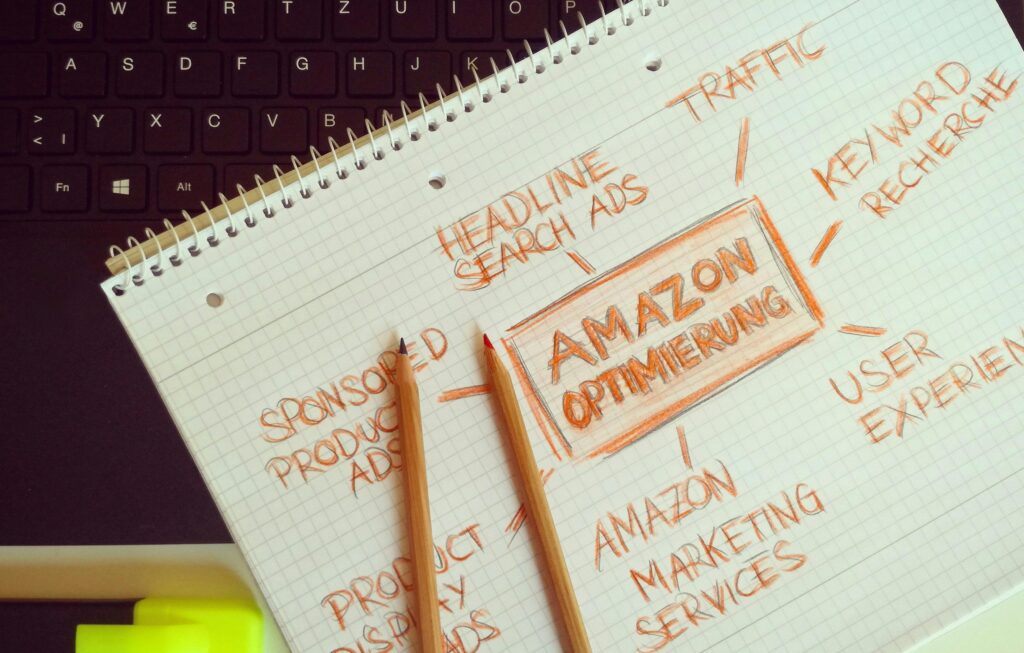
Selling on Amazon is no longer just about listing a product and waiting for sales. With millions of competing products, Amazon Ads has become essential for visibility, growth, and long-term success. For beginners, however, Amazon Ads can feel overwhelming, confusing, and expensive if not approached correctly.
This guide breaks down Amazon Ads in a clear, practical way so you can start running campaigns with confidence and avoid costly beginner mistakes.
Understanding How Amazon Ads Actually Work
Amazon is a purchase-driven platform. Unlike social media or search engines where users browse or research, Amazon shoppers are already looking to buy. Amazon Ads work by placing your products directly in front of shoppers when they search for relevant keywords or browse similar products.
The more relevant and profitable your ads are, the more Amazon rewards you with better placements and lower costs over time. This makes strategy and structure extremely important from day one.

Types of Amazon Ads You Need to Know
Amazon offers several ad formats, but beginners should focus on mastering the core ones first.
Sponsored Products are the most common and effective ad type. These ads promote individual product listings and appear in search results and product detail pages. For most sellers, this is where the majority of ad spend should go.
Sponsored Brands allow you to showcase multiple products and your brand logo. These ads are best used once you have brand registry and a small catalog of products.
Sponsored Display ads help retarget shoppers who viewed your product or similar products. These are useful later for scaling and remarketing but not essential for beginners.
Preparing Your Product Before Running Ads
Running ads on a poorly optimized product listing is one of the biggest mistakes beginners make. Ads amplify what already exists. If your listing is weak, ads will simply make you lose money faster.
Before launching any campaign, ensure your product has a clear title, strong bullet points, high-quality images, competitive pricing, and at least a few reviews. Conversion rate matters just as much as traffic.
Setting Up Your First Amazon Ads Campaign
The best way to start is with a Sponsored Products automatic campaign. Automatic campaigns allow Amazon to test different search terms and placements while you collect valuable data.
Set a modest daily budget and let the campaign run for at least one to two weeks without major changes. This gives Amazon enough data to understand where your product converts.
Alongside automatic campaigns, you can create a manual campaign targeting a small list of highly relevant keywords. Use exact and phrase match types to maintain control and avoid wasted spend.
Budgeting and Bidding for Beginners
You do not need a large budget to start Amazon Ads. What matters is consistency and data collection.
Begin with conservative bids slightly below Amazon’s suggested range. Monitor performance rather than chasing top placements immediately. As you identify converting keywords, you can increase bids strategically.
Avoid increasing budgets or bids too quickly. Scaling without data almost always leads to higher costs and lower profitability.
Monitoring and Optimizing Early Performance
Amazon Ads is not a set-and-forget system. Even beginner campaigns need weekly review.
Check search term reports to see which queries are driving sales and which are wasting money. Add irrelevant terms as negative keywords and move converting terms into manual campaigns for better control.
Optimization is where profitability is created. Small adjustments over time outperform aggressive changes.
Final Thoughts
Amazon Ads success is not about spending more. It is about understanding how the platform works, starting with the right foundation, and optimizing consistently. Beginners who focus on structure, data, and patience build campaigns that grow profitably over time.